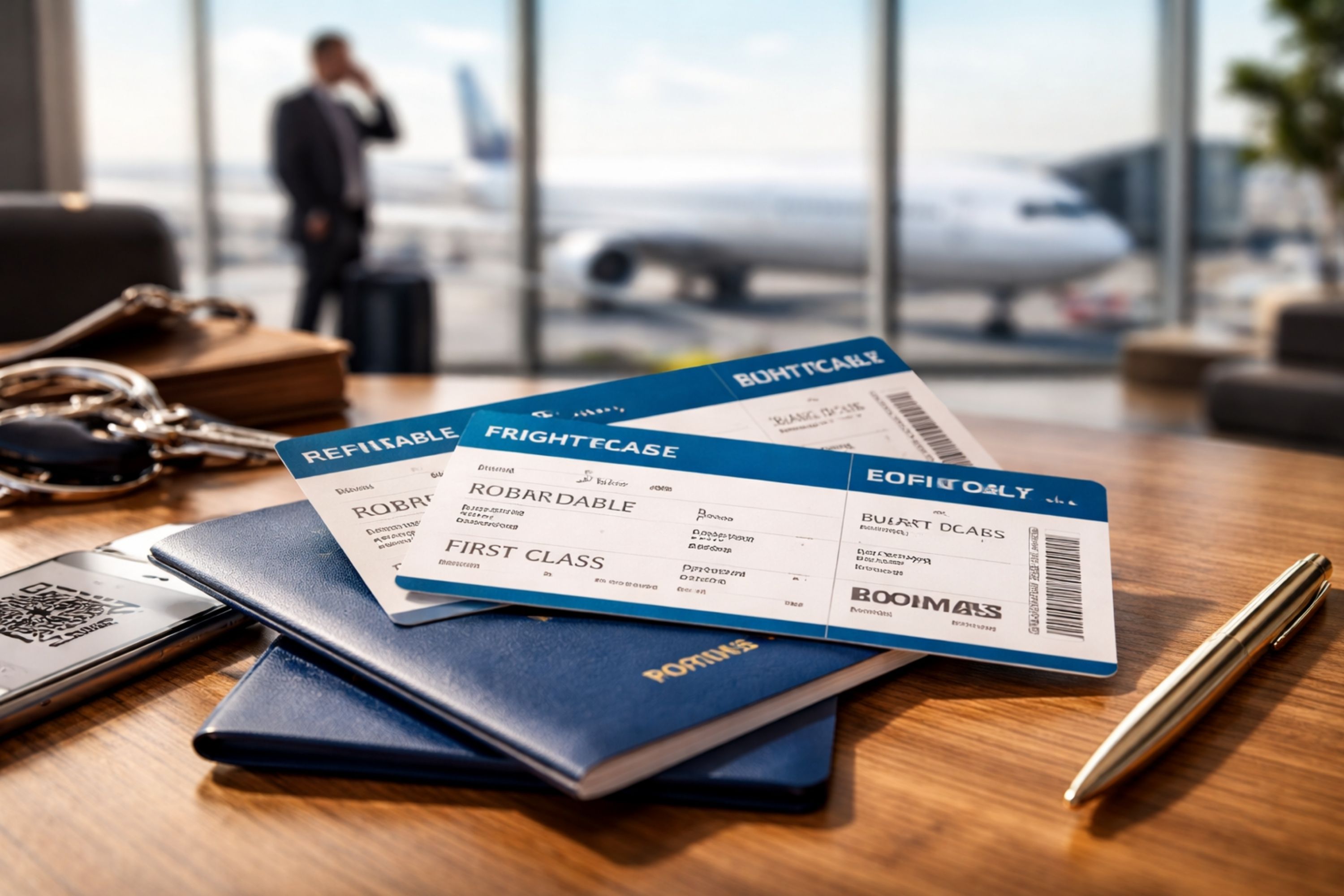


It’s tempting to grab the lowest fare you see. But here’s the thing: not every cheap ticket is worth it. Some of those budget-friendly options come with strict rules. You might be unable to cancel, change, or even select your seat without paying extra. If you like flexibility or booking far in advance, these rules can trip you up later.
You need to slow down before you click “buy.” Look for phrases like “non-refundable,” “no changes allowed,” or “basic fare.” Airlines hide a lot in those terms. When you know what to pay attention to when buying flight tickets online, you’ll notice that price isn’t the only piece of the puzzle—it’s how that price works for your needs.
Double-Check the Flight Times and Layovers
You might find a great deal with just one layover, but what if that stopover is 11 hours overnight in a random city with no airport hotel? Or your connection is only 35 minutes long at a huge airport where switching terminals takes 45. These things don’t appear boldly, but they can mess up your whole trip if you miss them.
When you book, pause and check the full itinerary. Pay attention to departure and arrival times, connection lengths, and trip duration. Even flights with the same route can differ dramatically in timing. And when it comes to international connections, always assume you’ll need more time than you think.
Use Reputable Platforms or Go Direct
One of the most important things to pay attention to when buying flight tickets online is where you’re buying them from. Third-party travel sites can sometimes show cheaper fares, but that doesn’t always mean they’re the best option. If something goes wrong, like a schedule change or delay, getting help is often harder if you didn’t book directly through the airline.
Of course, reliable third-party platforms exist, but it’s worth checking the airline’s website before finalizing. Sometimes, the price is the same or very close, and booking directly usually gives you better support and more flight management options later.
Be Careful with Extra Charges
These days, the fare you see is rarely the final price. Many airlines charge separately for everything: checked baggage, seat selection, meals, early boarding—you name it. You could think you’re booking a cheap flight and end up paying more than you would have with a full-service airline.
When comparing flights, go beyond the headline fare. You can simulate the booking to see what’s included and what isn’t. Do you need a carry-on? A window seat? Ensure the ticket covers your essentials—or at least factor in the extra costs before deciding.
Check the Airport Code and Location
This is a small thing that can cause big headaches. Some major cities have multiple airports. For example, flying into Paris could mean Charles de Gaulle (CDG) or Orly (ORY). London has Heathrow, Gatwick, Luton, and more. If you book a cheap ticket thinking you’re arriving at the main airport, but land far outside the city, the transportation costs and time could throw off your plans.
So, always confirm the actual airport location—especially if you’re booking connecting flights separately or planning tight arrival schedules. Remember that two flights in “New York” don’t mean they land or take off from the same airport.
Check the Airline’s Track Record
If the airline is one you’ve never heard of, do a little digging before you buy. Some lesser-known carriers offer excellent service, but others might be known for frequent delays or terrible customer support. A few minutes of reading online reviews can save you a lot of stress down the road.
It’s also smart to check how the airline handles delays and rebooking. Some low-cost carriers may not have agreements with other airlines, so if your flight gets canceled, you could be stuck until the next available seat days later.
Currency, Language, and Local Laws Matter
When booking international flights, be aware of where the website is based. If it’s a foreign site, the currency might default to something you’re not used to, and that can lead to confusion about how much you’re spending. Also, some sites display prices without taxes and fees until the final page.
Another thing: if you’re booking a ticket that departs from or includes a stopover in another country, check visa rules and passport requirements. Some airports might require a visa just to transit, even for connecting flights. That’s not something you want to find out at the gate.
Understand Fare Classes and What They Mean
You’ve probably seen fare names like Economy Basic, Economy Flex, or Premium Economy. But what most people don’t realize is how much these labels can vary—not just between airlines, but even between routes on the same airline. Knowing what to pay attention to when buying flight tickets online includes understanding what your fare comprises and what it leaves out.
For example, two Economy tickets might look the same price-wise, but one includes a carry-on, early check-in, and seat selection, while the other locks you into a middle seat with no luggage allowed. That’s why, before you book, click into the fare details. Airlines often hide these differences under expandable menus. Look for rules about seat selection, boarding priority, ticket changes, and refunds. These small details make a big difference in your overall experience.
Pay Attention to Ticket Change and Cancellation Policies
Life happens. Plans change. Flights get delayed or rescheduled. When buying flight tickets online, one of the most overlooked things is the policy around cancellations and changes. And that’s where trouble starts.
Some tickets are entirely non-refundable, even if you cancel within 24 hours. Others may let you change the flight, but only if you pay a hefty fee. If you think there’s any chance you might need to adjust your travel plans, look for flexible ticket options. Some airlines even let you upgrade to a flexible fare during checkout for a smaller fee than changing the ticket later. That’s something worth considering.
Also, if you book through third-party travel agencies, your refund or change policy might not match the airline’s. Read the terms and conditions on the actual checkout page. If they’re vague or hard to find, that’s already a red flag.
Make Sure Your Name Matches Exactly
It sounds obvious, but this mistake has cost travelers money for years. The name on your ticket must match your passport or ID exactly. Even a missing middle name or incorrect spelling can be enough to block you from boarding—or force you to buy a new ticket.
So, when entering your name during the booking process, double-check everything. This is especially true if you have multiple last names or special characters in your name. Some systems can’t handle accents or hyphens properly, so note what your passport shows and enter it accordingly.
If you catch the error early enough, some airlines will correct it for free. Others may charge. That’s why it’s better to spot it before clicking “pay.”
Use the 24-Hour Free Cancellation Rule (When It Applies)
In many countries, like the U.S., airlines must offer a full refund if you cancel within 24 hours of booking, as long as the flight is at least seven days away. That’s an important trick if you’re still firming up plans or waiting for something to be confirmed.
You can book the flight now and then take a day to check hotel availability, work approvals, or other logistics. If something doesn’t align, cancel within 24 hours, and you should get a full refund—no questions asked.
However, not all sites and airlines honor this rule similarly. Some third-party platforms don’t offer it at all. That’s one more reason why knowing what to pay attention to when buying flight tickets online can save you from a nasty surprise.
Compare Nearby Dates Before You Commit
Flight prices can change dramatically depending on the day. Sometimes flying one day earlier or later could save you hundreds. If you’re flexible with your schedule, always search a few dates before and after your preferred one. Many booking engines let you view a full calendar of fares, which is one of the most innovative ways to spot cheaper deals.
There’s often a sweet spot for each route and season. Fridays and Sundays are more expensive, while midweek flights (like Tuesday or Wednesday) are usually more affordable. You can play with your departure and return dates to see which combination offers the best deal without compromising comfort.
Also, prices may increase closer to the travel date, especially during holidays or peak seasons. Booking early doesn’t always guarantee the lowest fare, but waiting too long guarantees a higher one.
Watch for Currency Conversions and Hidden Fees
One sneaky thing some international booking platforms do is switch the currency at checkout. You might see a great fare in your home currency throughout the search process, only to be charged in euros or pounds when you finally click “book.” If your card has foreign transaction fees, this could mean paying more than expected.
So here’s what you need to do: Before you confirm, look at the final billing currency. If it’s different from your card’s base currency, do a quick conversion and check if your bank will add a fee. Also, keep an eye out for service fees that aren’t visible upfront—they often appear at the final checkout stage.
Some platforms also offer “currency protection” or “conversion locking” for a fee. In most cases, this isn’t worth paying for. If you’re concerned about price differences, it’s better to stick with reputable domestic sites or book directly with the airline.
Use Incognito Mode or Clear Your Browser History
You might’ve heard people say, “Flight prices go up the more you search.” That’s not just a myth. Some booking websites track your browsing behavior and raise prices if they notice you repeatedly checking the same route. It’s a tactic to push you into booking sooner, fearing the price will only keep climbing.
So, what can you do? Browse in incognito mode. It hides your search history and cookies, which means the website sees you as a new visitor every time. You can also clear your cookies manually. Either way, this small habit can help you get a more accurate—and sometimes cheaper—price when booking flights online.
Consider the Entire Trip, Not Just the Flight
Sometimes the cheapest flight is the most expensive when you factor everything in. It may land late at night, so you need a pricey airport hotel. Or it arrives in a different city altogether, forcing you to pay for transport or extra transfers.
When you’re figuring out what to pay attention to when buying flight tickets online, take a step back and look at the whole picture. Does the timing work with your hotel check-in? Is the airport close to the city center, or will you spend hours commuting? Are you connecting to another train or flight? These factors might not appear on a flight comparison site, but they make a big difference in real-world travel.
Loyalty Programs and Frequent Flyer Points
If you fly often—or even just a couple of times a year—it’s worth choosing an airline that fits into a loyalty program. Many overlook this when booking online, but it can add long-term value. Even budget carriers now have loyalty systems, and the miles add up faster than you expect.
Some websites let you filter search results by alliance, such as Star Alliance, Oneworld, or SkyTeam. If you’re part of one of these programs, stick to member airlines to earn points. You can also enter your frequent flyer number during booking, which helps you redeem rewards, upgrades, and even free flights later.
It might not seem like much now, but over time, loyalty adds up. And if you’re booking for a group or a family, those miles multiply quickly.
Watch for Stopover Options—They Can Save You Money
Direct flights are usually faster, but sometimes choosing a longer route with a stopover can lead to significant savings. For example, flying from Europe to Asia via the Middle East might be cheaper than a direct European carrier. It’s one of those hidden tricks seasoned travelers know to explore.
And here’s the bonus: some airlines even offer free stopover programs. You can visit an extra destination—like Istanbul, Doha, or Dubai—without paying for an additional ticket. If you’ve got the time, it’s worth checking if your airline offers this option.
You can use multi-city search tools or check individual airline websites. Just make sure the layover is long enough to leave the airport and that visa requirements (if any) won’t be an issue.
Always Confirm Baggage Allowances—They Vary More Than You Think
Not all “economy” tickets are equal, especially regarding baggage. One airline might let you bring a carry-on and a personal item for free. Another might only allow a small backpack and charge you for anything more. Some ultra-low-cost carriers make you pay even to bring a cabin bag.
When buying flight tickets online, you need to verify this before clicking pay. The baggage policy is buried in the fare details, but it’s crucial if you plan to travel light or pack a lot.
If you’re flying with multiple airlines on a connecting ticket, double-check if their baggage policies align. Sometimes, the second leg of your journey follows an entirely different rule, even on the same ticket.
Read Customer Reviews—Especially for Budget Airlines
Reviews aren’t just for hotels. Before booking a flight, especially with a carrier you haven’t flown with, take a few minutes to scan recent reviews. Look for comments about delays, customer service, hidden fees, and comfort.
Budget airlines often get a bad reputation for a reason. If passengers frequently mention surprise charges or poor treatment during flight disruptions, that’s something to factor into your decision. It’s not just about avoiding a bad flight but protecting your time, money, and sanity.
You don’t have to avoid budget carriers entirely, but knowing what you’re signing up for helps you plan better. Bring snacks, print your boarding pass in advance, or prep for a tight seat layout—whatever it takes to make your flight smoother.
Booking on Mobile vs. Desktop—Sometimes It Makes a Difference
This might surprise you, but airlines and booking platforms sometimes offer slightly different prices depending on how you book. Some mobile apps provide exclusive offers or “app-only” discounts, especially for first-time users. On the other hand, desktop versions may have more flexible filters and fare comparison tools.
If you’re serious about saving, check both before you buy. Look at the same flight on your phone and your laptop. Also, consider signing up for email alerts or loyalty apps—sometimes deals arrive directly in your inbox before they go public.
Don’t Fall for Flash Sales Without Reading the Fine Print
Flash sales look exciting—$99 round-trip to Europe? It sounds unbelievable. And often, it is. These promotions usually come with strict conditions: limited dates, inconvenient layovers, no refunds, and extra fees that creep up later. If you’re not careful, you’ll spend more than if you had just booked a regular fare.
When you see a flash sale or time-limited promotion, stop momentarily. When buying flight tickets online during sales, consider the complete offer. Check if the travel dates work for you, whether the ticket includes taxes, and if it’s available when you go to book. Some sales run out within minutes, and what’s left might not be worth it.
Another tip: always compare the “sale” price with regular prices on other days. Sometimes, the difference is slight, but the flexibility and convenience are worth much more.
Booking Roundtrip vs. One-Way Tickets
Many people assume round-trip tickets are always cheaper than booking two one-way flights. But that’s not always the case anymore. Especially with low-cost airlines or international routes, you may save money and gain flexibility by booking legs separately.
Before locking anything in, try both options. Use flight comparison tools to search one-way tickets in each direction and compare that total to a round-trip option. Sometimes, you’ll find that carriers offer better service or schedules for one leg.
This strategy works particularly well for travelers flying into one city and leaving from another. If you’re doing a multi-city trip, buying one-way tickets gives you freedom without backtracking—make sure you understand how each ticket works individually.
Travel Insurance—Worth It or Not?
This is a tricky one. Some people skip it every time, while others never book a flight without it. But if you’re booking expensive or international flights, or traveling during unpredictable seasons, insurance could save you hundreds—or even thousands—if plans change.
You should consider the type of coverage being offered. Basic policies often cover delays, cancellations, and lost baggage. More comprehensive ones may also include medical emergencies or missed connections.
Before you pay extra for insurance during checkout, look at what your credit card already covers. Some cards include excellent travel protection if you use them to buy the ticket. If your card offers nothing, or your trip is complicated, standalone insurance might be a thoughtful add-on.
Consider Booking Directly with the Airline for Better Service
Third-party booking sites offer a better price upfront. But if anything goes wrong—your flight is delayed, canceled, or rescheduled—getting help when you booked directly through the airline is much easier. That’s one reason experienced travelers often skip aggregator platforms once they’ve found the flight they want.
You can use platforms like Google Flights, Skyscanner, or Kayak to search, then go to the airline’s website to book. This way, you still benefit from a broad search but avoid the complications of involving a middleman.
Airlines also tend to prioritize direct customers when rebooking during disruptions. Even if the savings are small, the peace of mind is worth it.
Be Wary of “Travel Protection Plans” at Checkout
These sneaky add-ons often appear during the final booking steps. You’ll see checkboxes for things like “Price Drop Protection” or “Flexible Booking Add-On.” In theory, these sound great. But in reality, they’re rarely worth the cost.
Before you agree to any add-on, read the terms. Will you get a refund if prices drop? How much flexibility are they offering? And most importantly, what’s the actual cost of this upgrade?
In many cases, the airline or travel site phrases these options in a way that makes it feel like you must accept them. But you don’t. Most of the time, skipping them is the more brilliant move—unless you’ve read every detail and know exactly what you’re paying for.
Booking in Advance vs. Last-Minute Deals
Timing your booking is one of the most significant factors in getting a good deal. The sweet spot for domestic flights is usually 1 to 3 months before departure. You’ll often get the best rates for international flights 2 to 6 months out, but there are always exceptions.
Last-minute deals still exist, especially for flexible travelers. Airlines sometimes drop prices to fill empty seats close to departure, which is unpredictable and risky, especially if you have fixed dates.
What you can do is set price alerts. Many flight search engines let you track prices on specific routes. If the fare drops, you’ll get an alert. This is a helpful way to avoid panic-booking and ensures you don’t miss out on a reasonable price.
Also, avoid booking flights late at night or early in the morning when your brain is tired. Many people rush and overlook details. Booking during the day gives you more time to thoroughly check policies, options, and prices.
Booking Confirmation and Follow-Up Steps
After buying your ticket, don’t close the browser and walk away. You still need to check that everything went through correctly. If you’re wondering what to pay attention to when buying flight tickets online, one of the final—but—vital steps is confirming that your booking is valid.
First, check your email inbox. You should receive a confirmation with your booking reference number. If that doesn’t arrive within 15–30 minutes, something might’ve gone wrong during the transaction. Also, ensure the ticket details match precisely what you selected—names, dates, airports, and seat options.
Logging in to the airline’s official website and retrieving your booking using the confirmation code is a good habit. That way, you can manage your flight, double-check baggage policies, or request changes early.
If you’ve booked far in advance, set reminders to reconfirm flight times and check-in policies closer to the date. Airlines occasionally update schedules or change equipment—the earlier you catch it, the better your options for adjustment.
Final Advice from a Travel Expert
When people ask what to pay attention to when buying flight tickets online, they usually expect a checklist. But the truth is, it’s about learning how airlines and booking platforms work—and knowing where hidden traps lie.
Take your time during the booking process. Don’t rush. Read every section, especially the expandable fine print. Understand what’s included in the fare, your flexibility, and what happens if something unexpected throws your trip off course.
And one last thing: always trust your instincts. If a deal looks too good to be true, it probably is. If a website feels sketchy, find a better one. The more informed and cautious you are while booking, the more your entire trip will be.
FAQs
What’s the safest way to pay when booking flight tickets online?
Use a credit card. It offers better fraud protection, easier refund processes, and sometimes travel insurance benefits.
Should I book directly through the airline or use a third-party site?
Booking directly is safer for handling schedule changes and cancellations, though third-party sites can help compare fares initially.
Is it better to book flights in advance or wait for last-minute deals?
Booking in advance usually gives you better options and prices. Last-minute deals are risky and rarely work for fixed schedules.
Can I cancel my flight for free within 24 hours?
In many cases, yes—especially with U.S. airlines and tickets booked at least 7 days in advance. Always check the specific policy.
Are travel protection plans at checkout worth buying?
Often, no. They come with limitations. Review the terms carefully or consider a separate travel insurance provider if needed.
Why do prices change so often when booking flights?
Airlines use dynamic pricing based on demand, availability, time of day, and browsing history.
Do I need to print my ticket if I booked online?
Most airlines accept mobile boarding passes, but having a printed copy can be helpful in case of technical issues or international travel requirements.